UK in Spring: A Photographer's Guide to Wales and the Cotswolds

Dusk in the Cotswolds
Being an April-born photographer, spring has always felt like my season to travel. There's an energy to it that autumn, for all its colour, doesn't quite match — the stillness of winter breaking all at once, everything in a hurry to bloom, grow, and be photographed. After a successful spring shoot through Yellowstone and the Grand Tetons a few years back, I found myself craving that same seasonal urgency somewhere entirely different. So I planned a spring photography trip to the UK — Wales, the Cotswolds, and eventually on to Paris (that leg gets its own story).
This is the Wales and Cotswolds chapter: where to go, when to go, what to pack, and what I actually learned standing in fields of honey-coloured stone villages with a camera in hand.
Getting There
If you're travelling from Asia, British Airways and Singapore Airlines both run several direct flights into London, with most other major carriers offering connections through their Middle Eastern or European hubs. From India, British Airways and Air India fly direct from most major airports — I flew from Chennai to London on British Airways.
The Cotswolds are about a two-hour drive from London, so I rented a car at Heathrow Airport and stayed the first night at the Holiday Inn Express London Heathrow T5 before heading out the next morning. This is genuinely the best way to do this trip — public transport works fine for the market towns. Still, the real photography happens on the back roads between villages, and you want the freedom to pull over the moment the light does something interesting.
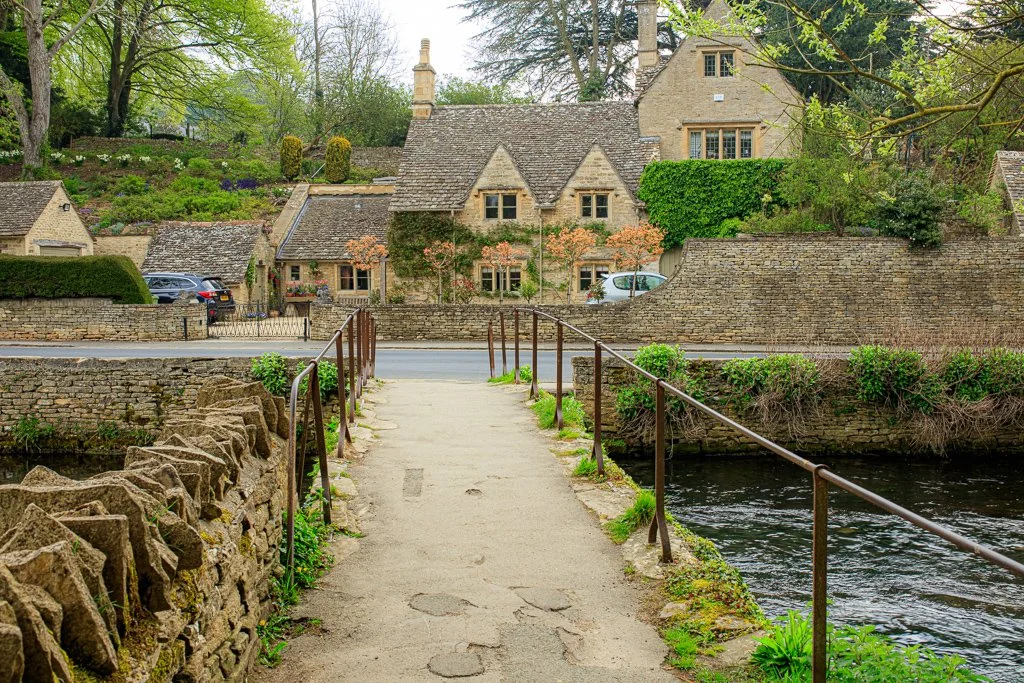
A Scene from Bibury, Cotswolds
When to Go: Timing Your Spring Trip
The UK's spring runs roughly from the third week of March through mid-June, but not all of it is created equal for photography. My own experience — and everything I've since read from photographers who live in the region year-round — points to the same window: late April through late May is the sweet spot.
Here's why, broken down month by month:
March is when spring technically begins — daffodils appear, lambing season starts, and the light turns noticeably softer. It's quiet, but the landscape is still waking up.
April is when things properly shift. Bluebells peak in the woodlands, blossom starts appearing in orchards and village gardens, and Easter brings the first real wave of visitors — a useful preview of peak season, without the full commitment.
May is, in my opinion and by wide consensus among photographers who shoot this region regularly, the best month of the year here. The gardens are at their fullest, the light is long and forgiving, and — critically — it falls in the gap between the Easter crowds and the summer tourist season
Clothing
Weather-wise, expect daytime temperatures roughly between 6°C and 15°C. You won't need heavy winter gear, but the weather can turn wet and cool with little warning, so a proper waterproof jacket with some insulation underneath is non-negotiable. Layer accordingly, and you'll be comfortable through everything from a misty morning shoot to an unexpectedly warm afternoon. Also, carry a good pair of walking shoes/boots for your explorations.
What I Packed
Photographers are always caught between packing for every scenario and actually being able to carry the bag — I erred on the side of "too much" this time, a lesson I've since gotten better at. My kit: the Canon EOS 5DS and Canon EOS 5D Mark III as bodies, the Canon EF 70-200mm f/2.8L IS II with a 2x converter for compressed village and architecture shots, the Canon EF 17-40mm f/4L for the sweeping Cotswold countryside, and a Zeiss Otus 55mm f/1.4 for anything demanding absolute sharpness. A sturdy travel tripod for early-morning low-light village shots, and — this cannot be overstated for UK spring — proper rain protection for both myself and the gear.
Time has passed and Technology has moved on. Here is some of the gear that I'd recommend today.
Recommended Gear for This Kind of Trip
Whatever stage you're at, here's what I'd actually put in your bag for a UK spring photography trip.
For Beginners
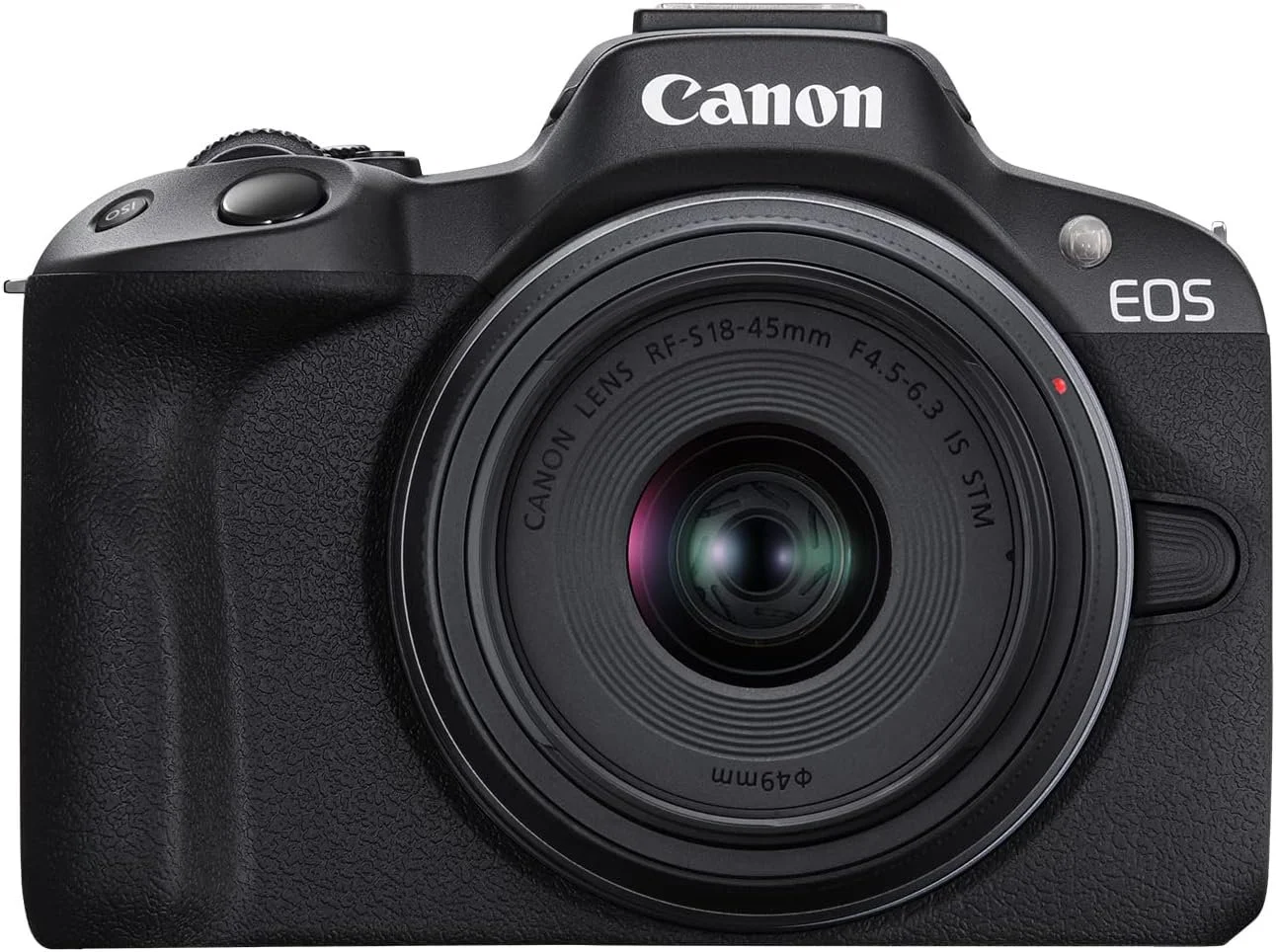
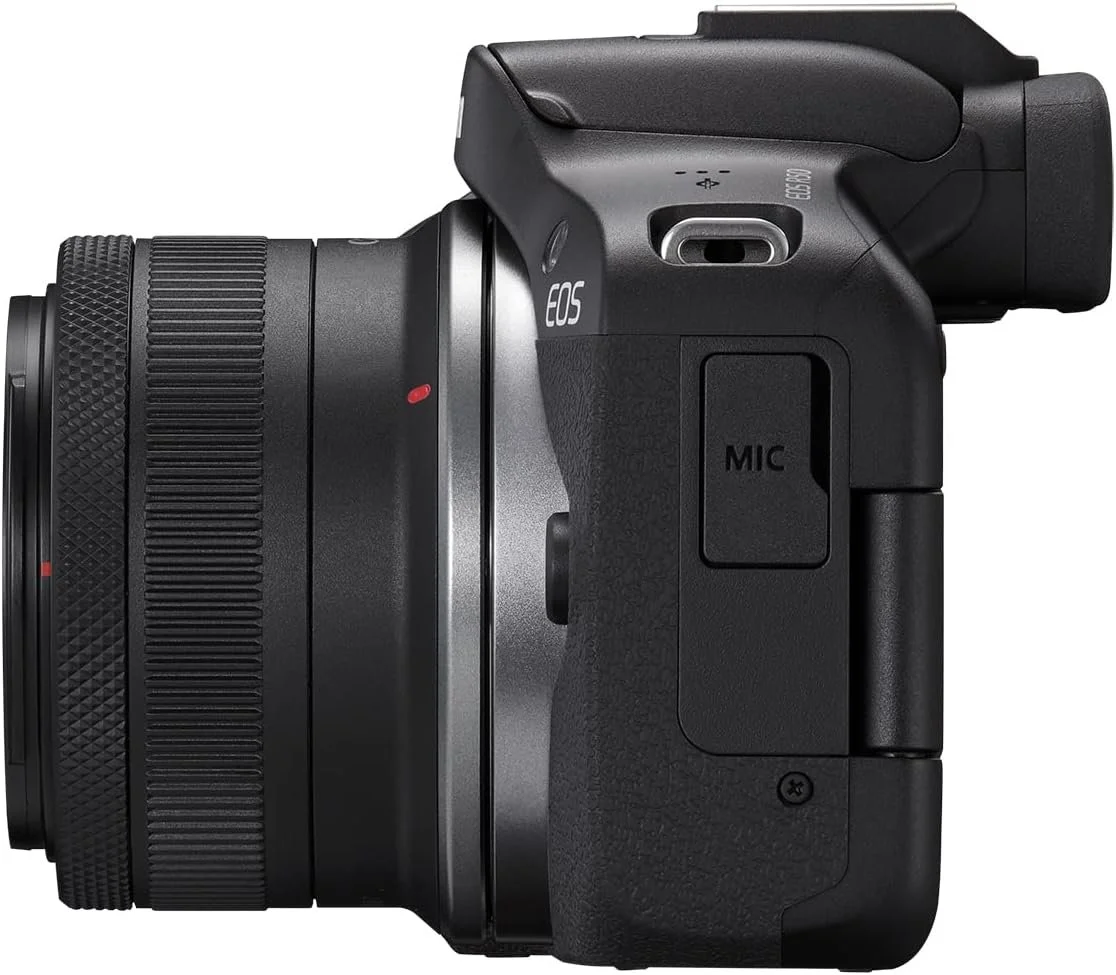
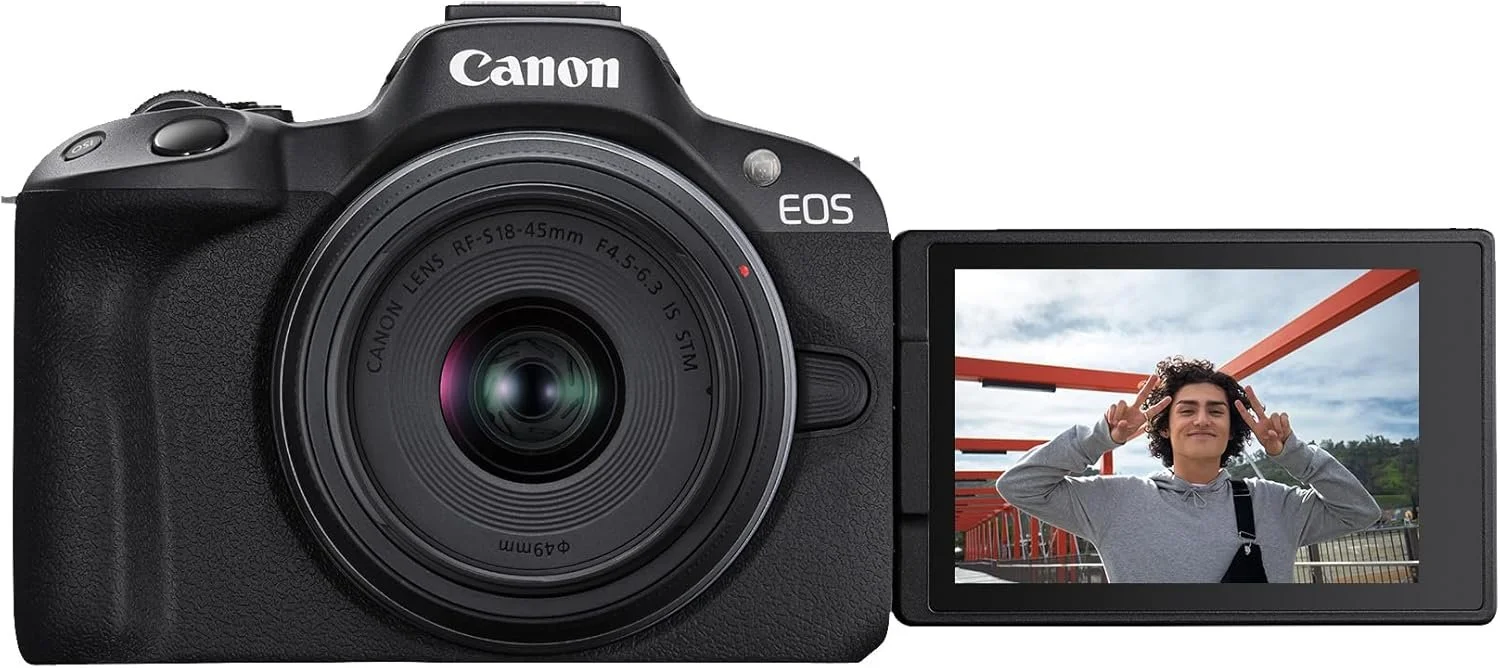
A genuinely excellent starting point — compact, lightweight, and currently Canon's best-selling mirrorless camera on Amazon for good reason. The APS-C sensor and kit lens combination handles the Cotswolds' village streets and Wales' open landscapes well, with a fully articulated touchscreen that makes composing low-angle river shots at Bourton-on-the-Water genuinely easy.
Essential accessories:
64GB SD card (fast write speed, since you'll be shooting more than you expect)
Basic tripod — even an inexpensive lightweight one earns its keep for early morning village shots when the light is low
Compact shoulder bag or sling — you want quick access, not a backpack you're constantly unzipping
Spare battery — cold, damp UK mornings drain batteries faster than you'd think
Rain cover — a cheap plastic camera rain sleeve will save your gear more than once on this trip
For Intermediate Photographers
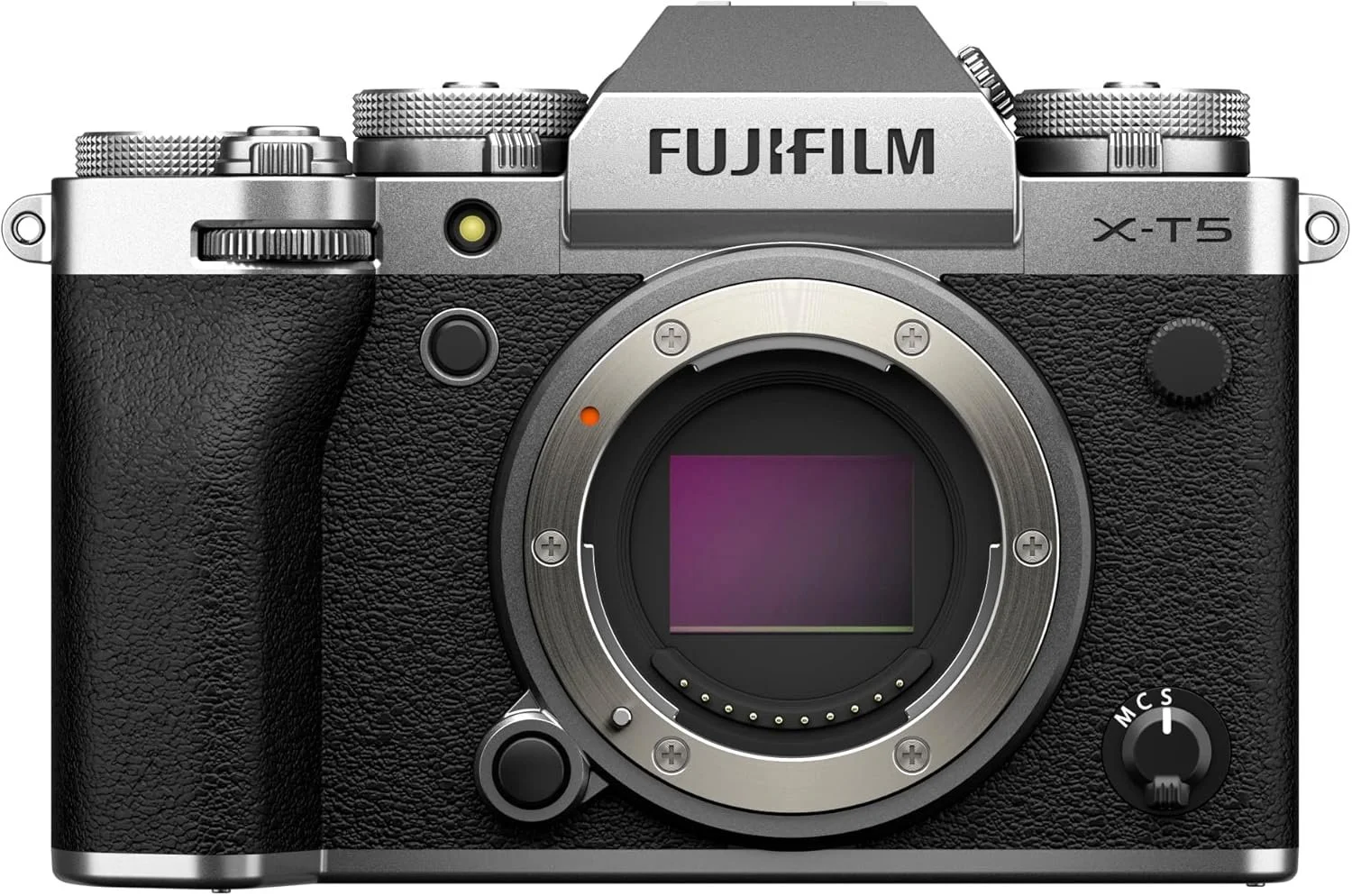
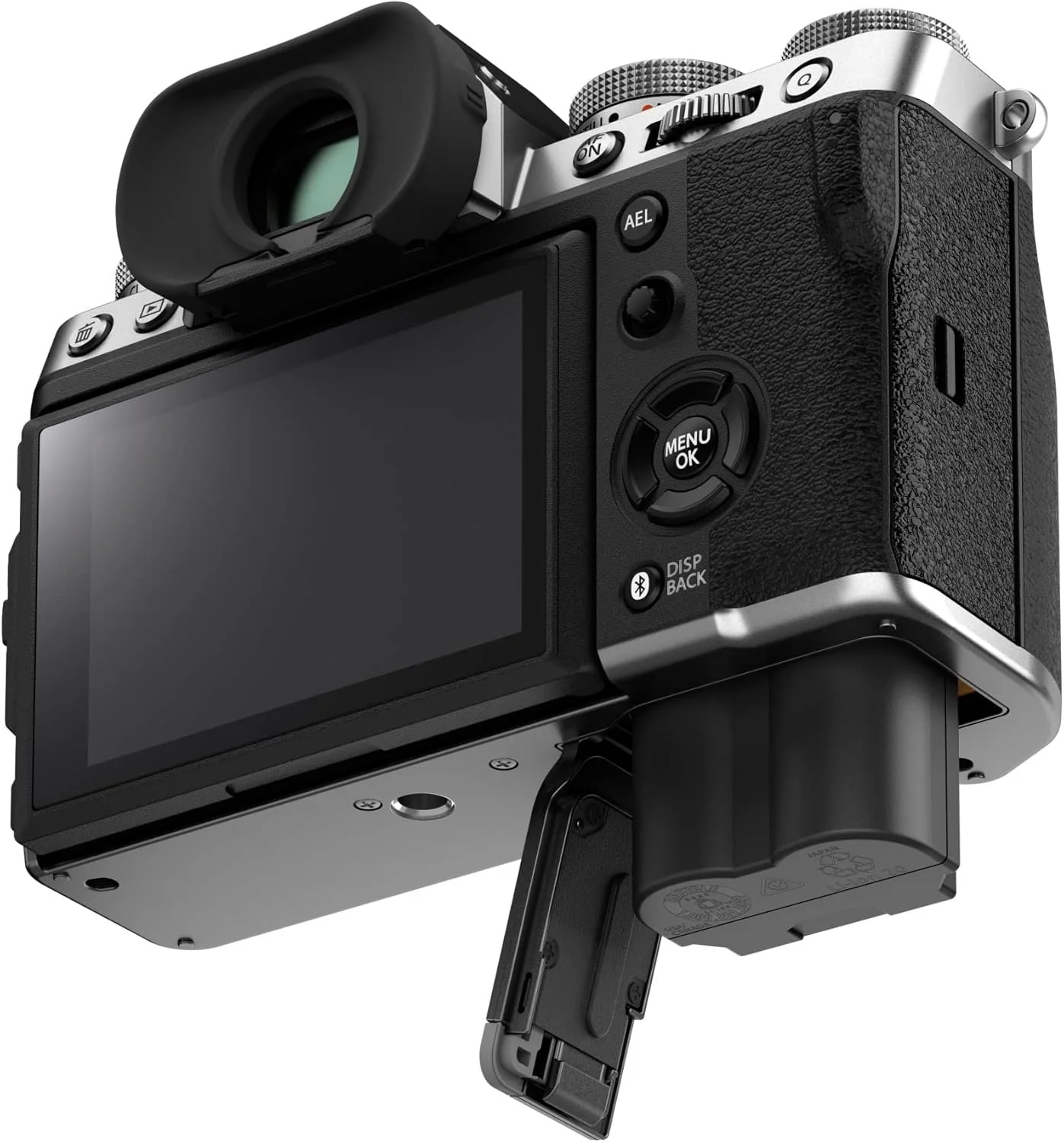
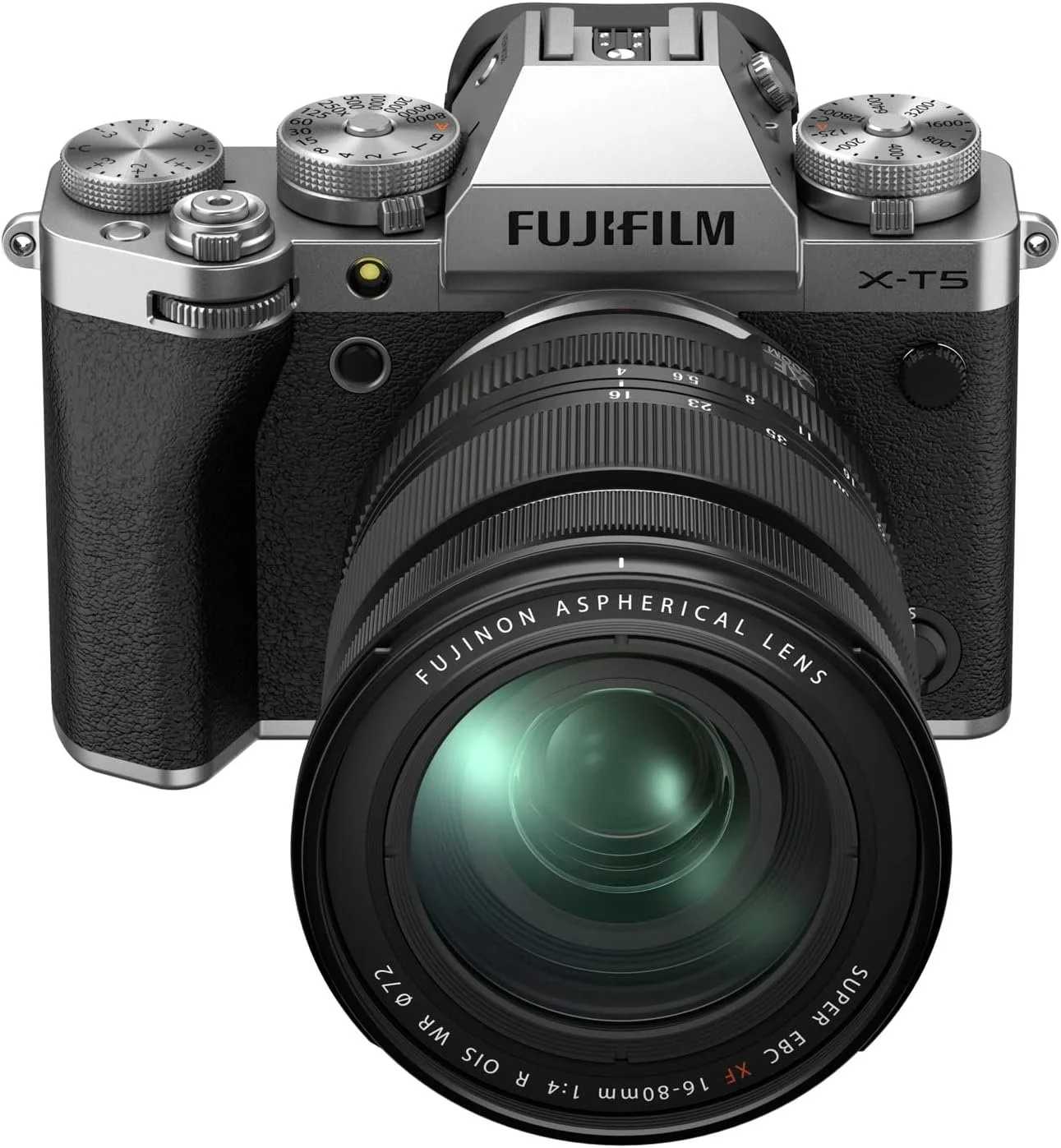
This is where I'd point anyone ready to take their photography seriously without stepping into full-frame weight and cost. The 40MP APS-C sensor delivers remarkable detail for printing — genuinely useful if a Cotswolds shot ends up as a piece you want on your wall later — and Fujifilm's dial-led controls make manual exposure adjustments second nature once you've spent a weekend with it.
Alternative: Sony A7C II if you'd rather step straight into full-frame — one of the smallest full-frame bodies available, with excellent low-light performance for those grey Cotswolds mornings.
Essential accessories:
Mid-weight travel tripod (carbon fibre if you can stretch to it — you'll thank yourself on longer walking days)
Circular polarizer filter — cuts glare on wet cobblestones and makes greens genuinely pop after rain
128GB+ UHS-II SD card for the extra resolution and any 4K video you shoot along the way
Two spare batteries — you'll be shooting more, longer, and the days are colder than they look
Weatherproof backpack with a rain cover built in, not just draped over
For Enthusiasts and Serious Hobbyists
Canon EOS R6 Mark II
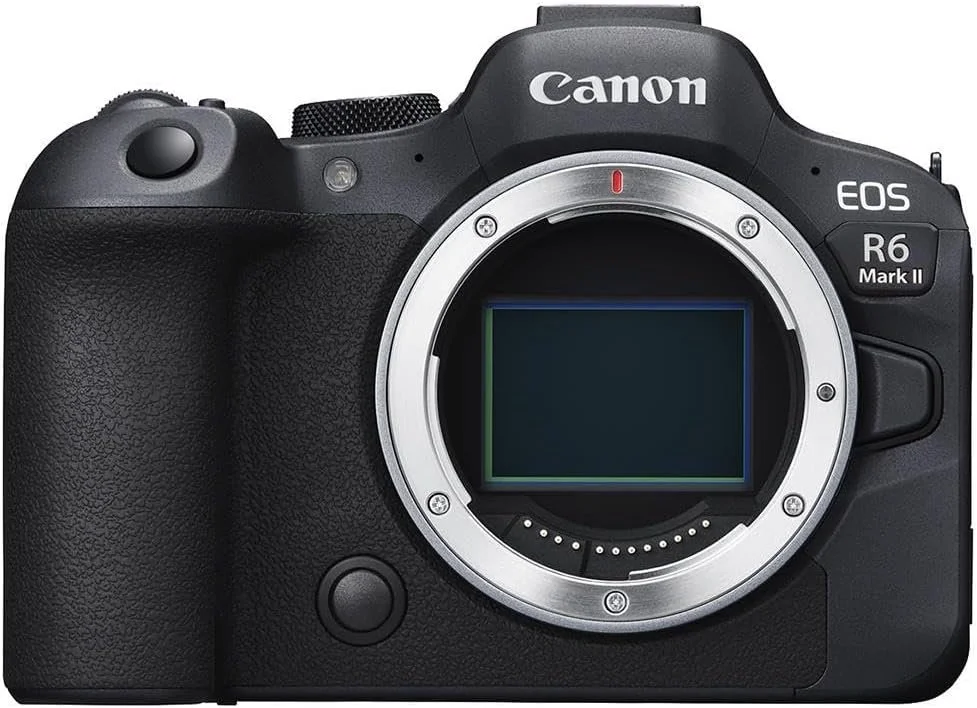
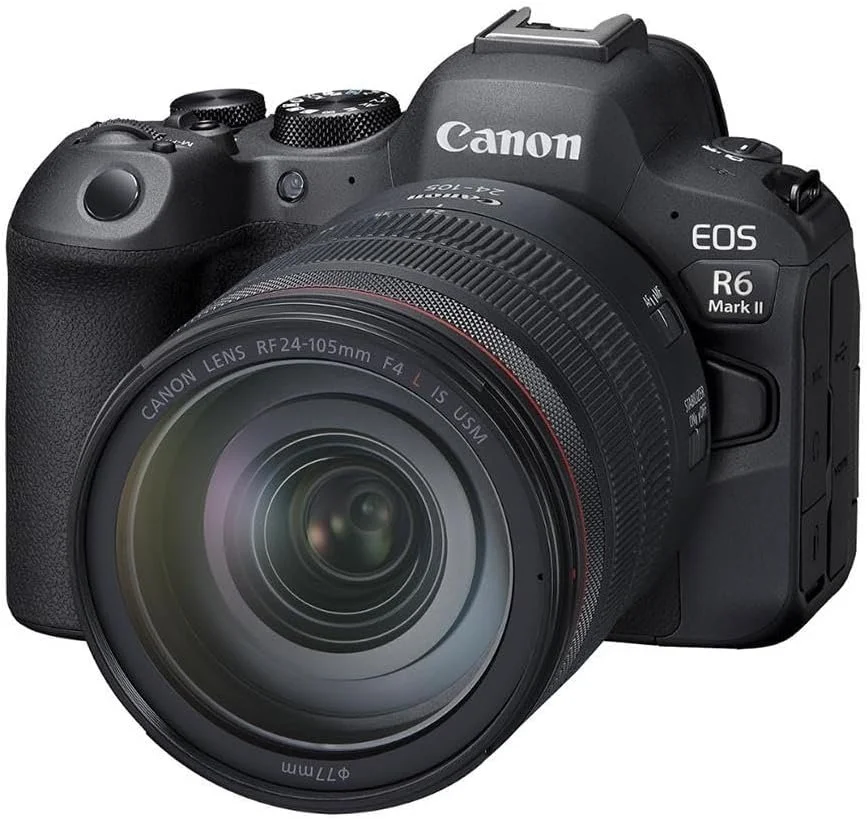
A proper full-frame workhorse — 24.2MP, exceptional autofocus, and genuinely strong in the low, flat light this region specializes in. It's currently one of Canon's best-selling cameras among serious enthusiasts precisely because it doesn't force a trade-off between stills and video capability. Weather-sealed too, which you'll appreciate the moment a UK "spring shower" arrives without warning.
If medium format interests you and budget isn't the constraint, this is the same territory my own Fujifilm GFX 100 II sits in — a different order of detail entirely, but firmly enthusiast-to-professional pricing.
Essential accessories:
Sturdy carbon fibre tripod with a geared or ball head — at this level, sharpness at every aperture matters, and a wobbly tripod undermines an otherwise excellent camera
Graduated ND filter set — genuinely useful for balancing a bright Cotswolds sky against shadowed stone cottages in a single exposure
High-capacity CFexpress or UHS-II cards, plus a dedicated card reader for faster offloading each evening
A proper rain cover built for the body/lens combo, not a generic one — weather sealing helps, but doesn't replace good rain protection on a longer shoot
Extra batteries and a portable charger — full-frame bodies burn through power fast when you're chimping every shot in the field
For VLOGGING
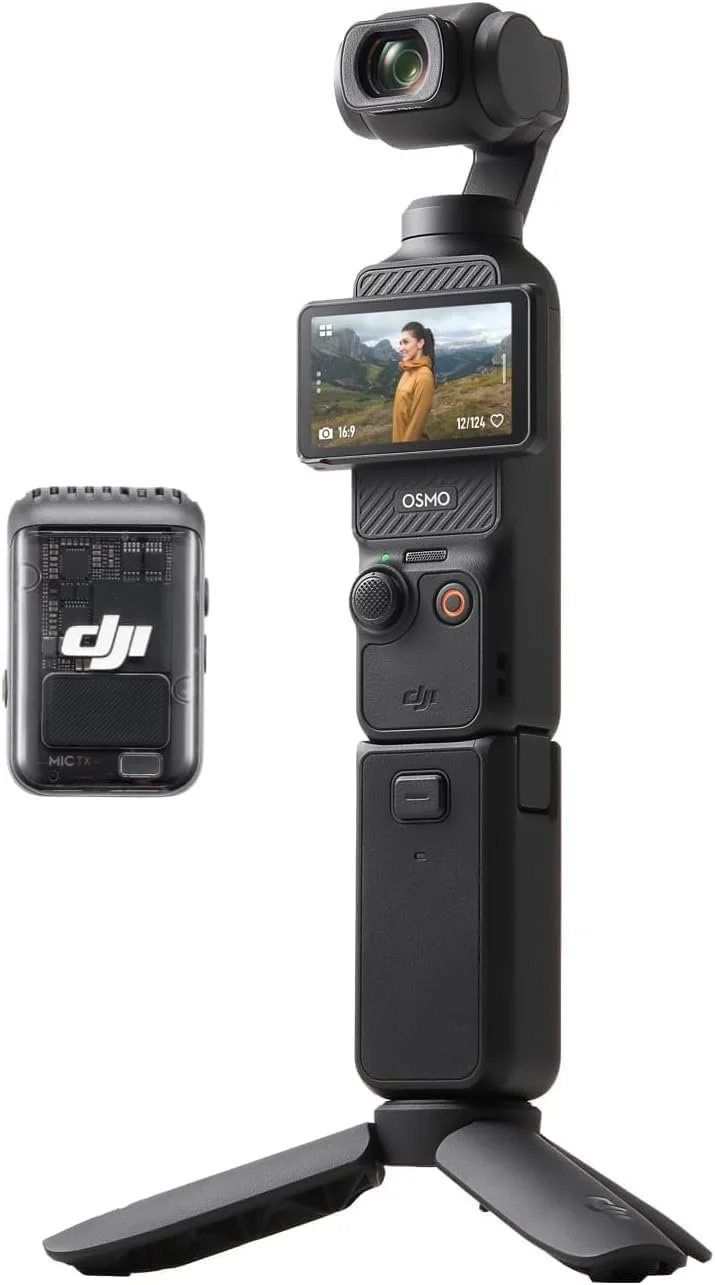

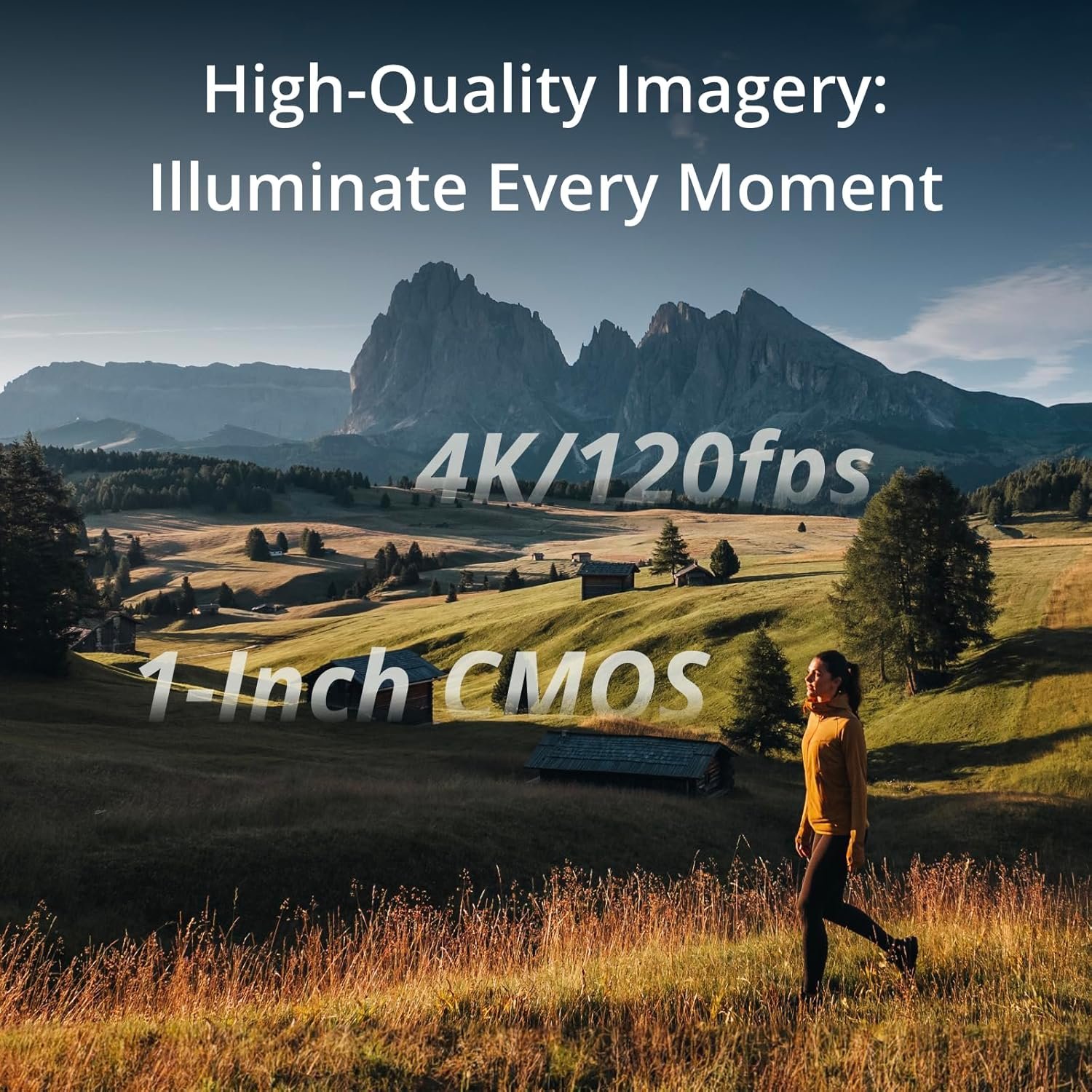
The Osmo Pocket 4 is DJI's latest pocket-sized gimbal camera — a palm-size stabilized shooter built for vloggers, travel creators, and anyone who wants smooth, handheld 4K video without lugging around a full camera rig. It takes the pocketable gimbal camera formula and pushes it further where it counts. The new 1-inch sensor shoots 4K at up to 240fps for smooth 8x slow motion, and stills jump to 37MP — a huge leap from the Pocket 3's 9.4MP. Dynamic range climbs to 14 stops and low-light ISO doubles to 25,600, so footage holds up better in tricky lighting.
Practical upgrades matter too. The Pocket 4 finally adds 107GB of built-in storage, so you're no longer stuck without a microSD card, and USB 3.1 transfers files at up to 800MB/s. Battery life stretches to about 240 minutes at 1080p/24fps, and the 2-inch rotating screen is now bright enough to use comfortably in direct sunlight at 1000 nits.
On the audio side, 4-channel OsmoAudio output lets it pair directly with DJI Mic transmitters, and it adds Spatial Audio and Audio Zoom for more immersive recordings. It's a touch bigger and heavier than the Pocket 3, but still easily pocketable.
Bottom line: if you shoot a lot of slow motion, stills, or run long sessions without a laptop nearby, the Pocket 4 is a meaningful step up. It's best suited for vloggers, content creators, and travelers who want pro-grade footage from a device that fits in a pocket — less essential if you're a casual shooter who was already happy with the Pocket 3.
My Itinerary

Home -London-Cotswolds-Wales-London-Onward to next Destination
Here I cover the areas I went to in a little more detail.
Cotswolds in the UK
The Cotswolds have long been a favourite retreat for artists, poets, and even actors chasing inspiration, and they've held a special place in my heart ever since my first trip there back in 2009. The whole region sits within England's largest Area of Outstanding Natural Beauty, and almost every village you'll see shares the same building material — locally quarried Jurassic limestone, known simply as Cotswold stone. It's this stone that gives the region its glow: deep golden hues around Broadway and the north, softening to a paler cream further south towards Bath. Photographers chasing the warmest tones tend to head north, which is exactly where this trip took me.
Beautiful villages such as Snowshill and Painswick nestle in the Cotswold Hills and are sure to delight any visitor. Historical market towns like Cirencester, Tetbury, Stroud, and Tewkesbury offer excellent local shopping with thriving markets bursting with local produce. For those wanting to enjoy the countryside from a more urban base, Gloucester's historic waterfront and Regency Cheltenham Spa offer impressive architecture, stylish shopping, and world-class horse racing.
There are so many towns and villages to explore, you'll need to start planning your next trip before you leave. The Cotswolds official tourism website is a great resource for planning your own trip.
Family tip: the terrain here is genuinely gentle by hill-country standards — well-marked paths, and you're rarely more than a mile from a pub or tea room. Bourton-on-the-Water in particular, has paved, stroller-friendly riverside walks if you're travelling with young children, even though it wasn't part of my own route this time.
I used Expedia to book my accommodation for this trip — browse my handpicked Cotswolds hotel collection here for stays across every budget. On this trip I focused my efforts on three main areas: Bibury, Broadway, and Cirencester, as I had some specific images in mind.
My base in the Cotswolds was The Crown of Crucis Country Inn and Hotel at Cirencester. From here I was able to visit Bibury and Broadway, and also shoot around the Cirencester area, which had some lovely bluebell woods.
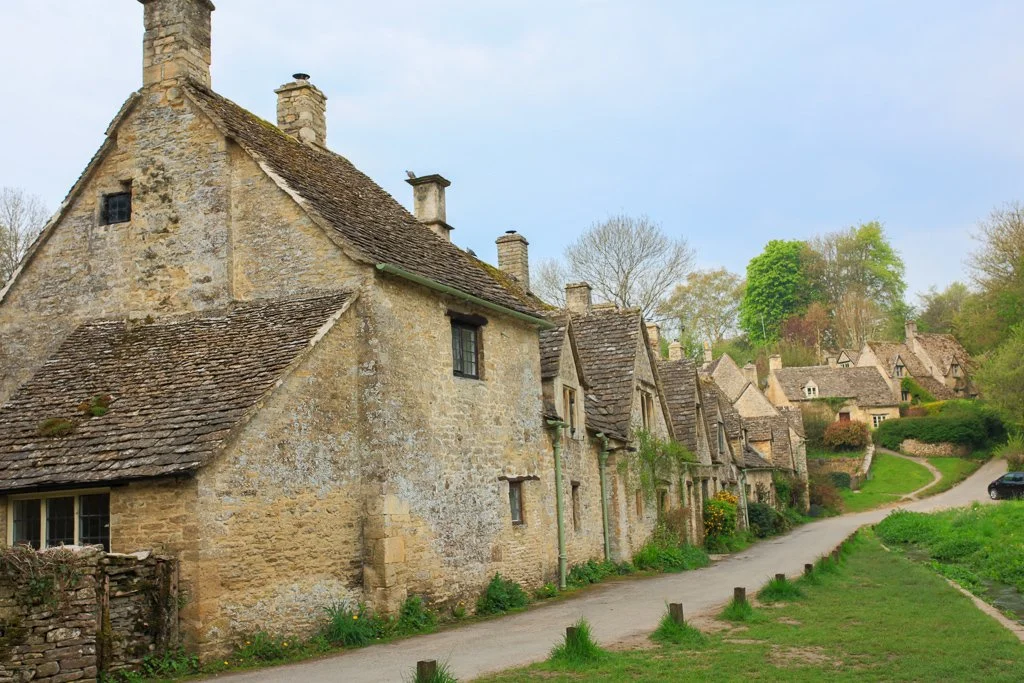
Limestone Houses at a Cotswolds Village
Bibury and Arlington Row
Arlington Row, in the village of Bibury, is one of the most photographed streets in England — and once you're standing in front of it, it's not hard to see why. The row of weavers' cottages was originally built in the 14th century as a monastic wool store, before being converted into cottages in the 17th century. Remarkably, they're still lived in today. Park at the public car park near Bibury Trout Farm and walk back along the footpath — the row sits beside a stream, facing an open meadow, which means almost any angle you choose will work.
A photographer's note: the best light here is early morning before coach traffic arrives. Arrive before 9am if you want the row to yourself rather than sharing the frame with a dozen fellow photographers. And a courtesy worth mentioning — these are people's actual homes, so keep noise down out of respect for the residents.
Family tip: the Bibury Trout Farm right next to the car park is a genuinely fun, low-key stop for kids — feeding the trout is an easy win after a patient morning of watching someone photograph a row of cottages.
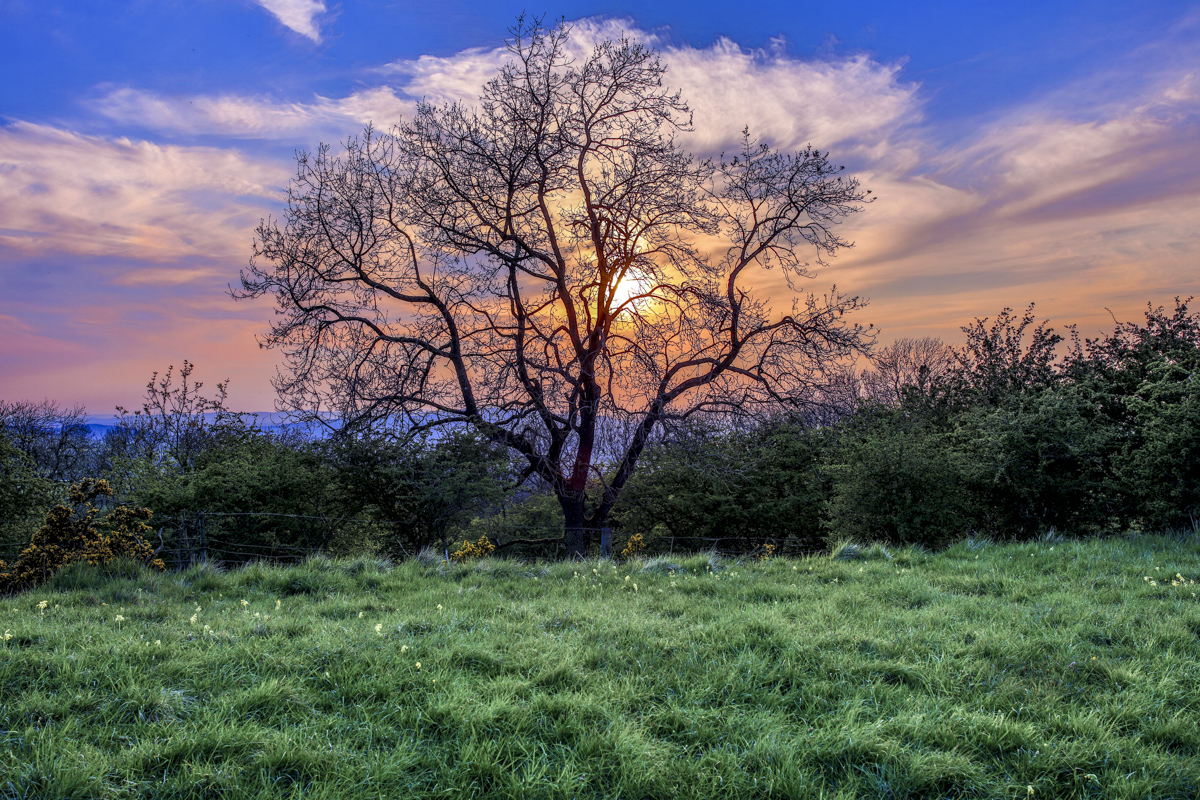
Sunset at Broadway Hill
Broadway Tower
The highlight of the trip was shooting sunset at Broadway Tower, and the story behind this odd little folly makes the visit even better. It was built in 1798 for the 6th Earl of Coventry, conceived by the legendary landscape designer Capability Brown and architect James Wyatt. Local legend has it that the Earl's wife wondered aloud whether a beacon lit on this hilltop — one of the highest points in the Cotswolds — could be seen from her estate 22 miles away at Croome Court. Her husband took it as a personal challenge and built the tower to prove her right. On a clear day, the views now stretch across as many as 16 counties, from the Welsh mountains all the way to Buckinghamshire.

Sunset at Broadway Tower,Cotswolds,UK
The tower later became a retreat for artists, including the Pre-Raphaelite designer William Morris, and even served as a Royal Observer Corps bunker during the Cold War — all of which is covered across its four visitable floors.
I was up on the hill, walking around the tower, waiting for the right light from about 6pm until 9pm — and then it happened: a fantastic, unforgettable sunset. I shot the tower using my 5DS-R on a Gitzo tripod with an Arca Swiss Cube for precise composition. It's one of the best images I've ever taken.
Practical detail: the walk up from Broadway village takes about 45 minutes through open parkland and is manageable for most fitness levels. The tower is open daily, 10am to 5pm. If you're chasing golden hour like I was, plan to arrive about 90 minutes before sunset and walk the loop around the tower as the light drops onto the stone. There is a car park on site as well.
Family tip: Broadway Tower Country Park is home to a small herd of red deer, and there are two cafés on site — Morris & Brown at the entrance, and the quieter Tower Barn a little further down the hill, which I'd actually recommend if you're travelling with family and want a calmer spot to sit while someone else chases the light.
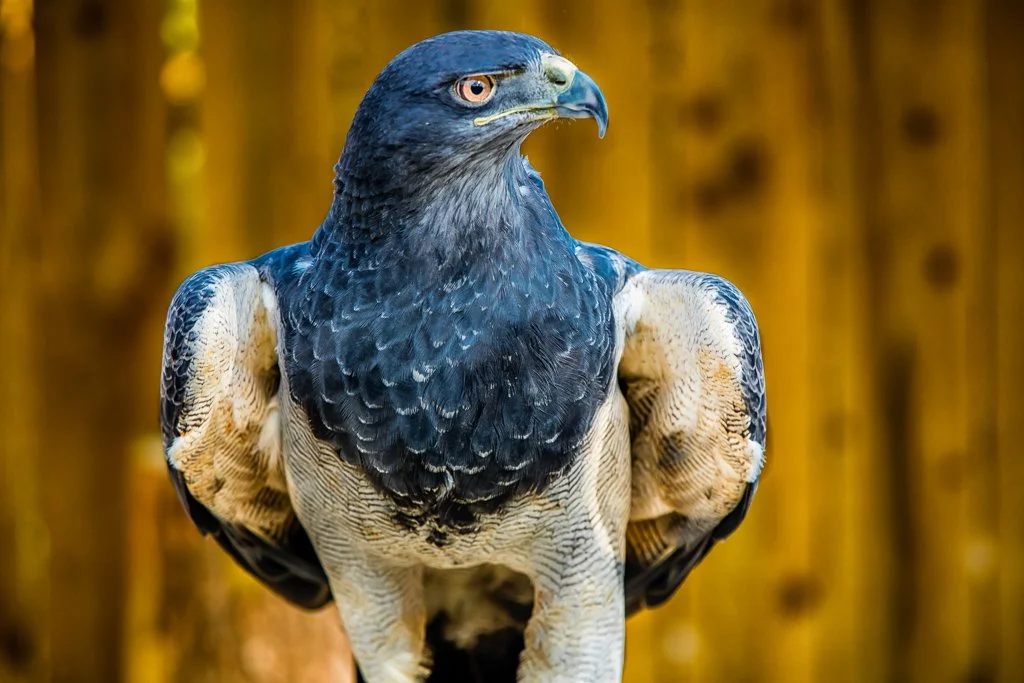
Black-chested buzzard-eagle at the
I also made a trip to the Cotswolds Falconry Centre, located a mile and a half west of Moreton-in-Marsh, near the foot of Bourton-on-the-Hill. The Cotswolds Falconry Centre and the nearby Batsford Arboretum are must-visit stops on any Cotswolds trip, whether you're into photography or not — and genuinely one of the better family activities in the region, with flying displays that hold kids' attention far better than another village photo stop would.
Where to Stay in the Cotswolds
Luxury - A stylish boutique retreat on the edge of Stow's ancient market square — 18 individually designed rooms with Egyptian cotton sheets, a spa, and a restaurant celebrated for its modern British menu. Antique shops, the famous yew-tree doorway of St Edward's Church, and the Cotswold countryside are all on the doorstep. One of the most-rated boutique stays in the region
A charming 18th-century Grade II listed coaching inn right on the River Windrush in the heart of Bourton-on-the-Water. Traditional rooms with exposed beams, free Wi-Fi, and a riverside bar serving real ales and classic British pub food. Budget-friendly without sacrificing a drop of Cotswolds character. Walking distance to every attraction in the village
Budget - A wonderfully cosy stone-built pub with rooms in the hamlet of Ebrington, a mile from Chipping Campden — one of the most authentic and unspoiled stays in the Cotswolds. Real ales, open fires, home-cooked gastropub food, and rooms that feel like a friend's country cottage. Rated highly on Expedia. Dogs welcome. The real Cotswolds, no polish required
Brecon Beacons in Wales
I always hate saying farewell to the Cotswolds, but I had the next leg of my trip to look forward to. I set off for Cardiff, Wales, about an hour and a half from Cirencester. The Severn Bridge crossing into Cardiff is an impressive feat of engineering — and the weather seemed to change the moment I entered Wales, with rain pouring down and making me question my decision to head there. Luckily, the weather improved the next day.
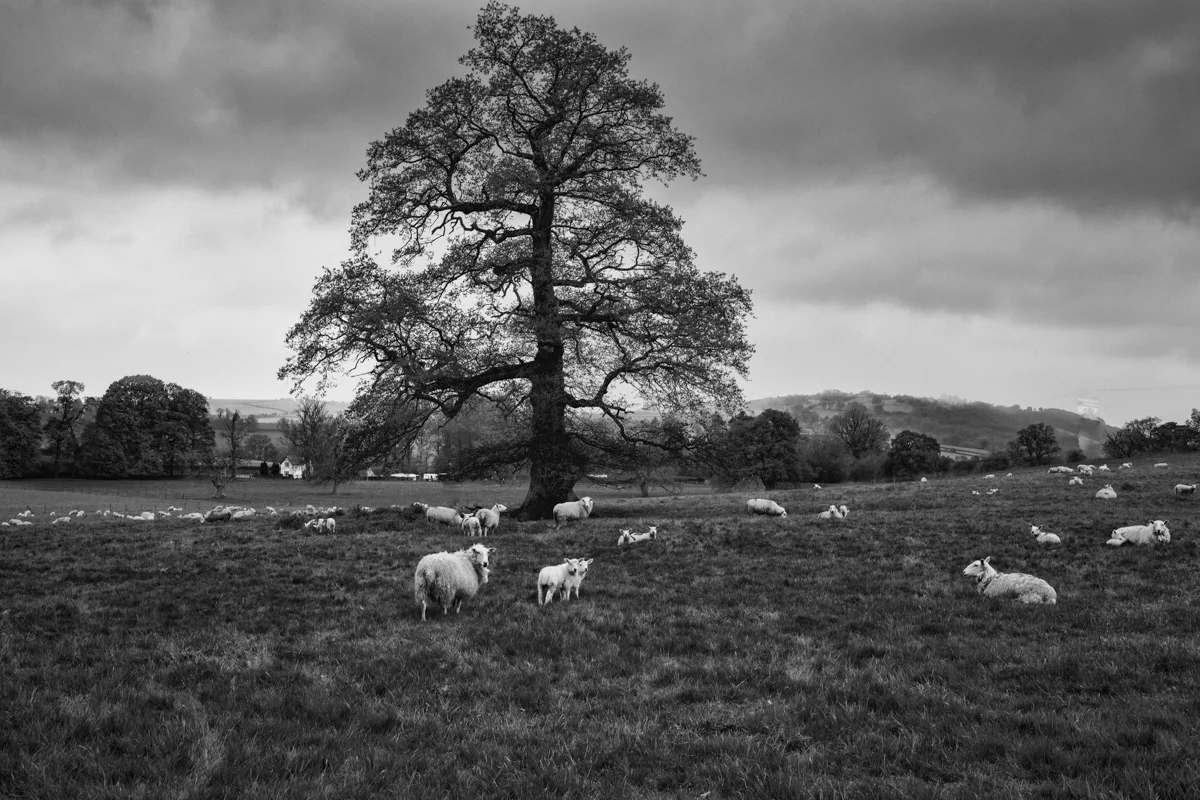
Idyllic Country Scene at the Brecon Beacons
After a good night's rest at a friend's place in Cardiff, Wales, we set off to the Brecon Beacons — now officially known by its Welsh name, Bannau Brycheiniog, since 2023, though "Brecon Beacons" remains widely used — to spend a day exploring and photographing in the Welsh National Park.
This is a genuinely different landscape to the Cotswolds — 520 square miles of sweeping sandstone ridges, dramatic escarpments, and some of the darkest night skies in Wales (it's an International Dark Sky Reserve, worth knowing if you're able to stay overnight for astrophotography). Pen y Fan, at 886 metres, is the highest point in southern Britain and one of the most photographed hillwalks in the country — the classic route up from the Storey Arms car park is about 4.5 miles round trip and manageable for most reasonably fit walkers.
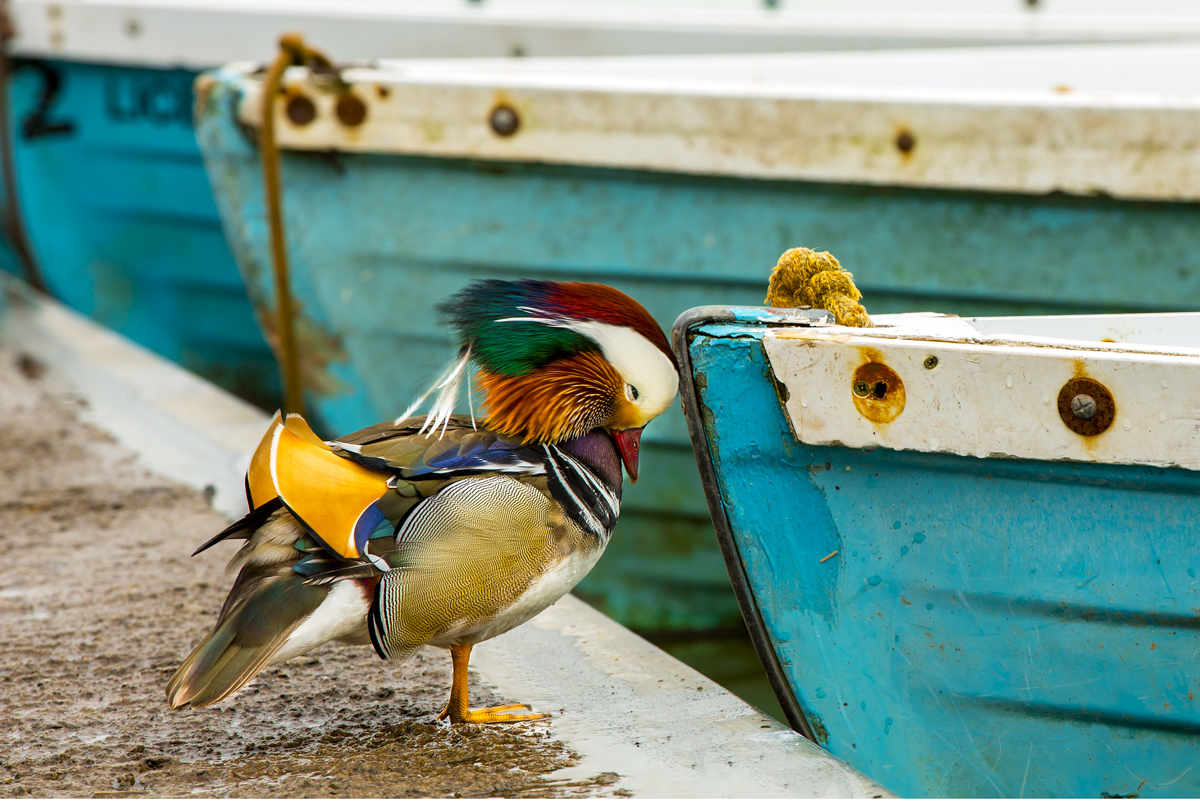
Sleepy Mandarin , Llangorse Lake, Brecon Beacons
One location that gave me some of my favourite images from the entire Brecon Beacons leg was Llangorse Lake, the largest natural lake in South Wales, tucked between the Central Beacons and the Black Mountains. It's a glacial lake, carved out thousands of years ago as moving ice pushed debris into the moraine deposits that now shape its basin — and it holds a genuine piece of history too, home to the only crannog (an artificial island dwelling) in Wales, with an ancient dugout boat recovered from its waters dating back to the 9th century. I shot at and around the caravan park on the lake's edge, which turned out to be a brilliant, unassuming vantage point — open views across the water with the Beacons rising behind, and none of the crowds you'd find at a more obvious tourist stop. Late afternoon light here is extraordinary, with the surrounding mountains reflecting across the water and a stillness that's hard to find elsewhere in the park. I'd recommend a wide-angle for the sweeping lake-and-mountain compositions, and a telephoto if you want to isolate detail on the water or the wooded shoreline.
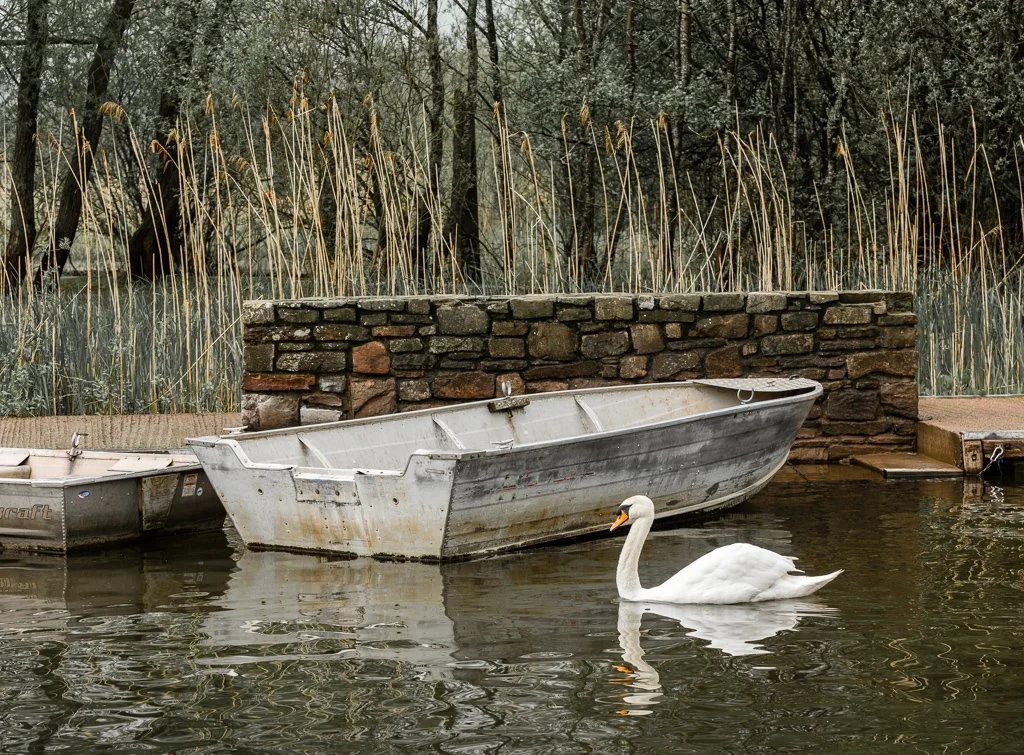
Swan and Boats, Llangorse Lake, Brecon Beacons
Family tip: the site has a large free car park, proper facilities, and watersports and boat hire nearby — a genuinely easy stop if you want to give non-photographers something to do while you wait for the light to turn.
I hope to come back to the Brecon Beacons for more extensive photography — a single day barely scratches the surface here.
Family tip: if you're travelling with children or don't fancy a full mountain hike, the upper Tarell Valley near Libanus offers gentler, meandering walks through ancient woodland with lovely views of the central Beacons, without the elevation gain of Pen y Fan itself.
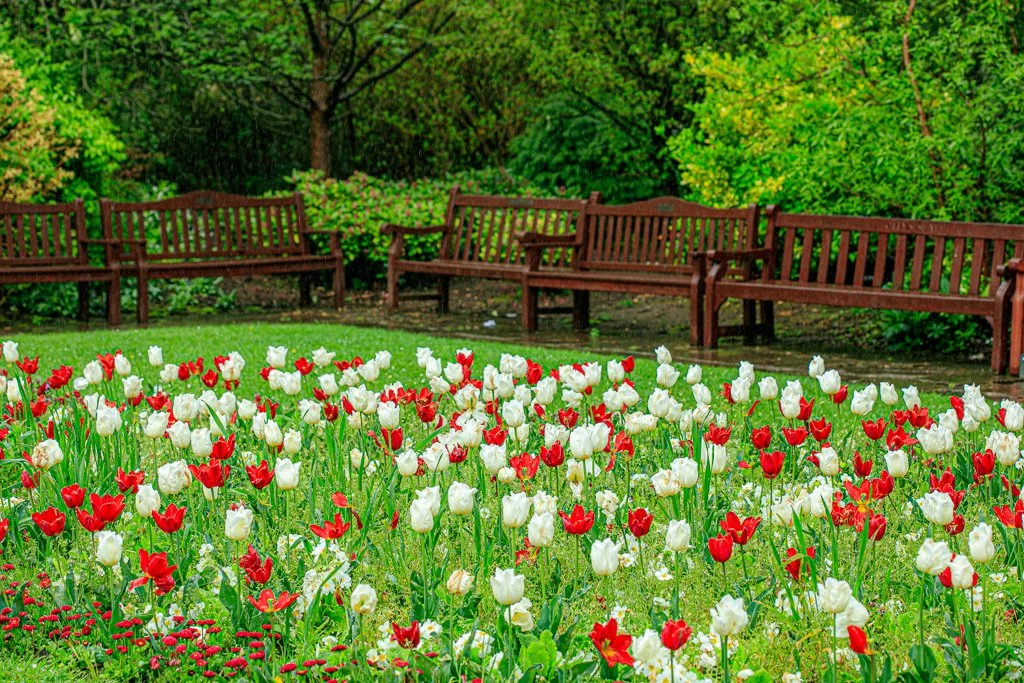
Tulips at Roath Park, Cardiff
On the second day in Wales, I spent time shooting around Lake Roath Park and later at Penarth Pier — both scenic locations well suited to photography, and both genuinely easy, flat, and pram-friendly if you're keeping the day lighter for family. Roath Park's Victorian boating lake makes for a peaceful morning with reflections and swans, while Penarth Pier's Art Deco pavilion is a striking subject against the Bristol Channel, especially on an overcast day when the light turns soft and even. After this short introductory trip to Wales, I set off back to London and Heathrow.
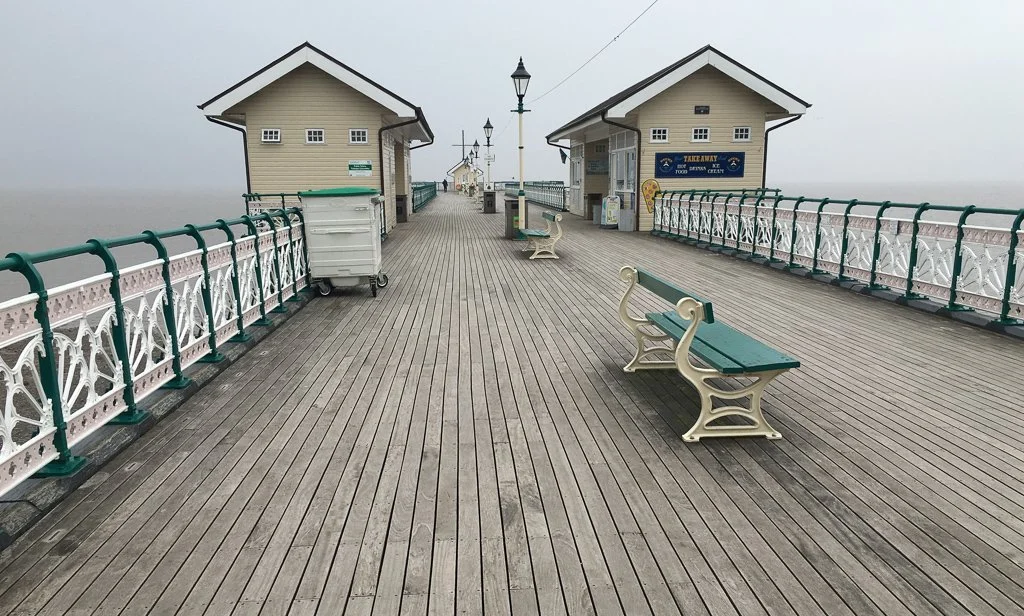
Penarth Pier on an Overcast Day
Where to Stay in Cardiff
I was lucky enough to stay with friends in Cardiff on this trip, but if you don't have that luxury, the city has genuinely excellent options across every budget — and it's worth a night or two here before heading into the Brecon Beacons, both to break up the drive and to see a bit of the Welsh capital itself.
For luxury, voco St David's Cardiff by IHG is the standout — a five-star waterfront hotel in Cardiff Bay with a striking sail-shaped roof, floor-to-ceiling windows facing the coast toward Penarth, and the only rooms in Wales offering a private balcony in every category. The spa alone is worth the stay, with a hydrotherapy pool and sea-view treatments.
For mid-range, Hotel Indigo Cardiff by IHG puts you right in the city centre, walking distance from Cardiff Castle and the Victorian shopping arcades, with a rooftop terrace that's become one of the better-kept secrets for city views.
And for budget travellers, Lincoln House Hotel in leafy Pontcanna is consistently the best-value pick in the city — a proper breakfast included, and an easy bus ride into the centre. I've put together a full curated collection of Cardiff stays across every budget here: Cardiff: Welsh Capital Stays.
Wales and the Cotswolds were only the first half of this spring trip — the journey continued on through Amsterdam and into Paris, where the photography took on an entirely different character. I've covered that leg of the trip in a separate post, UK and Paris in Spring — Part 2, for anyone following the full itinerary.
If you've been to the Cotswolds or Wales in spring, I'd love to hear which villages or landscapes stayed with you — drop a note in the comments below.
Read About More Photography Adventures